
Trastevere
San Francesco a Ripa
Last updated: June 2026
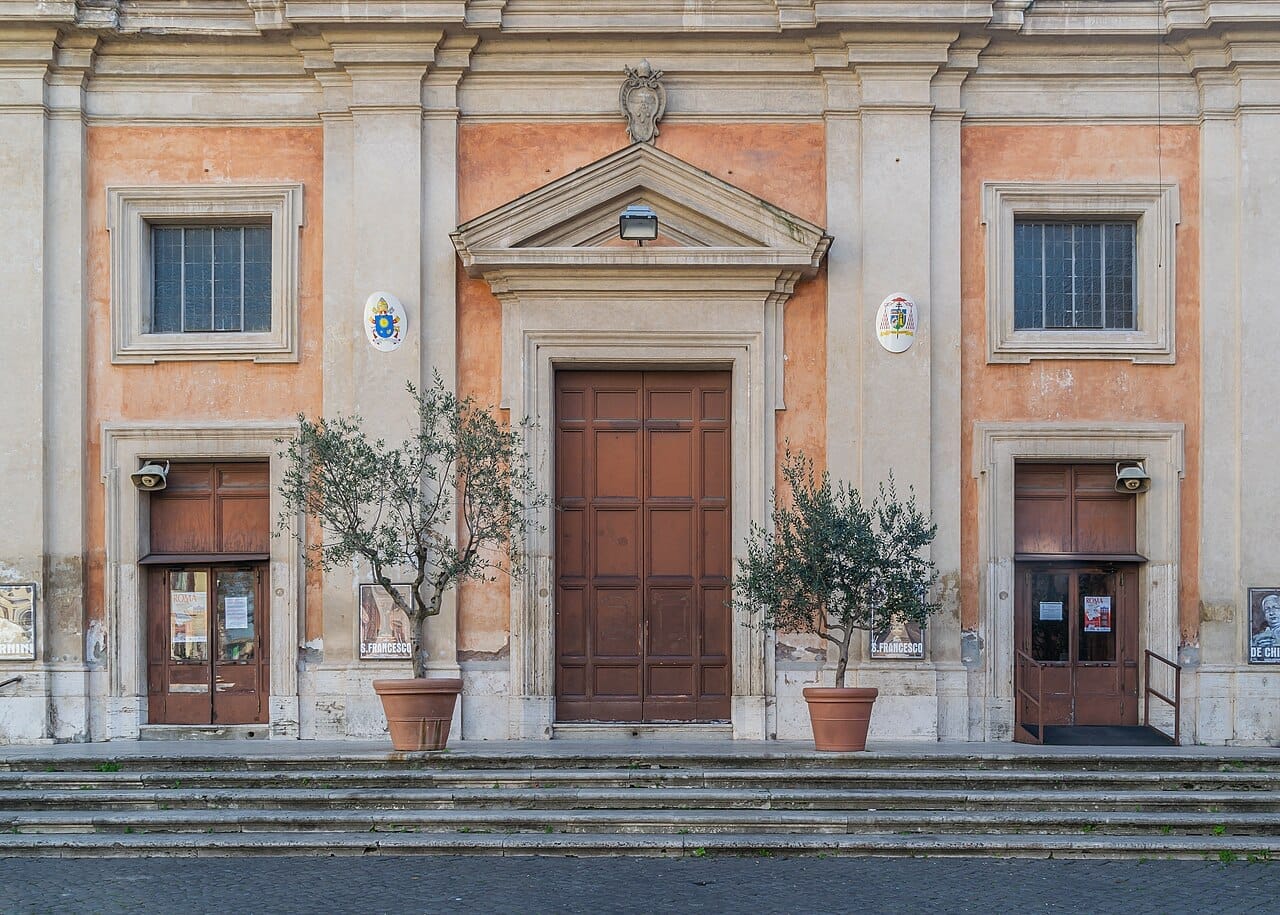
Photo by Krzysztof Golik via Wikimedia Commons, licensed CC BY-SA 4.0.
San Francesco a Ripa rewards the longer Trastevere walk with a church that feels quieter, more inward, and more personal than the district's busier headlines.
Quick summary
- Best visit length
- Often a short 10-20 minute stop, though Bernini's chapel can justify lingering a little longer. / Give it 30-40 minutes if you want this to feel like a southern Trastevere anchor rather than just one more church on the way through.
- Do not miss
- Cell of Saint Francis, Blessed Ludovica Albertoni by Bernini, Franciscan identity
- Best route use
- Trastevere deep-dive routes and Franciscan-themed days
- Best next move
- San Crisogono for the most natural nearby continuation, or Santa Cecilia in Trastevere if the day should bend in a calmer direction
Plan your visit
Use it when you want Trastevere to include both Franciscan memory and one unforgettable Bernini moment.
Why this church matters
People usually remember either the cell of Saint Francis or Bernini's Ludovica, but the real strength is the way the two give the church both human warmth and artistic force.
The contrast between the street outside and the more concentrated spiritual tone inside. Bernini's sculpture as the moment people talk about afterward. That is often when the quieter side of Trastevere starts to feel worth the walk.
What to look for
Cell of Saint Francis
The simplicity and nearness of the saint's Roman stay tradition. It gives the church a direct devotional reason to exist in a visitor's memory. Visitors focused only on Bernini can miss the Franciscan core of the site.
Blessed Ludovica Albertoni by Bernini
The emotional force and theatrical placement of the sculpture. It is the church's major art argument. Some visitors do not expect such an important work in this quieter Trastevere location.
Franciscan identity
The blend of spirituality and art rather than spectacle alone. It shapes the emotional tone of the visit. Without framing, the church can seem like only a local stop with one famous chapel.
Why visit
Choose it when you want one Trastevere stop that combines devotion, sculpture, and a sense of stepping slightly away from the crowd.
How long to spend
ending the Trastevere walk too early and never reaching the church that gives the southern side real payoff.
Build your day
Start here for a route that matches the day you actually want. Choose the onward line that fits your direction and attention level.
Best next moves
Nearby & Related Churches
Use these next stops to keep the route coherent on the ground rather than doubling back across Rome for one isolated interior.