
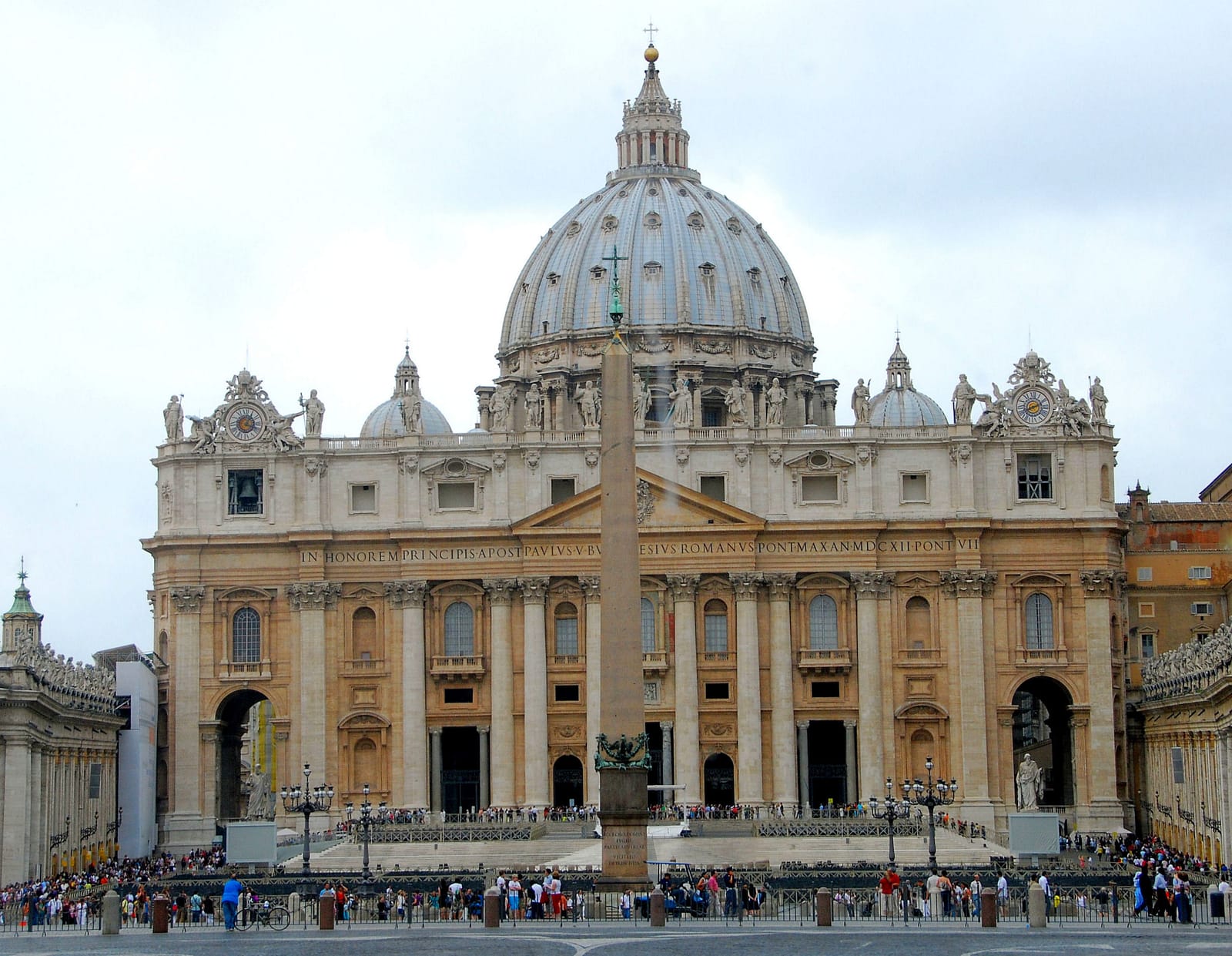
St Peter's Basilica
Rome's most important basilica for most visitors.
Featured churches
A tighter starting shortlist.
Rome's most important basilica for most visitors.
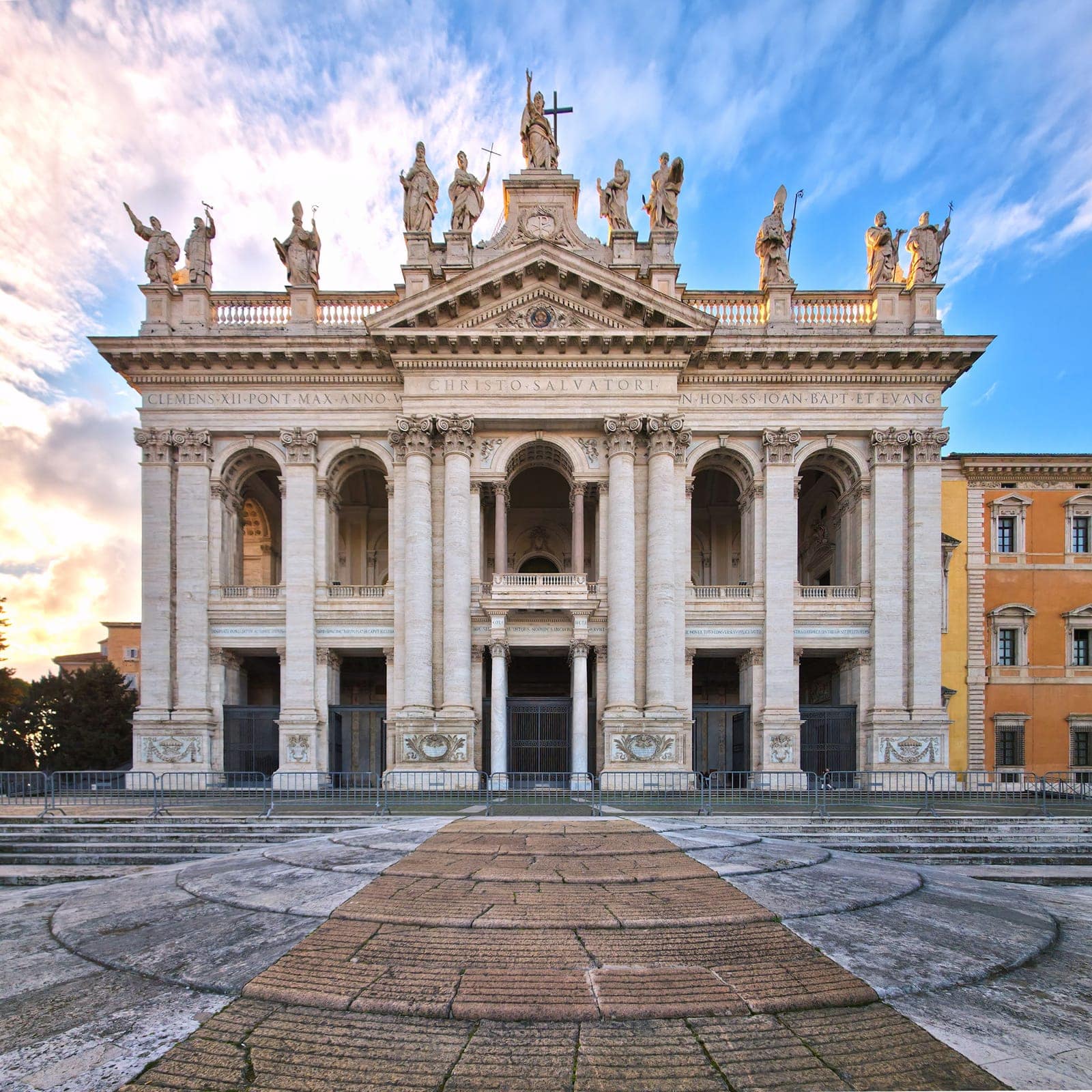
Rome's cathedral and the clearest major-basilica starting point.
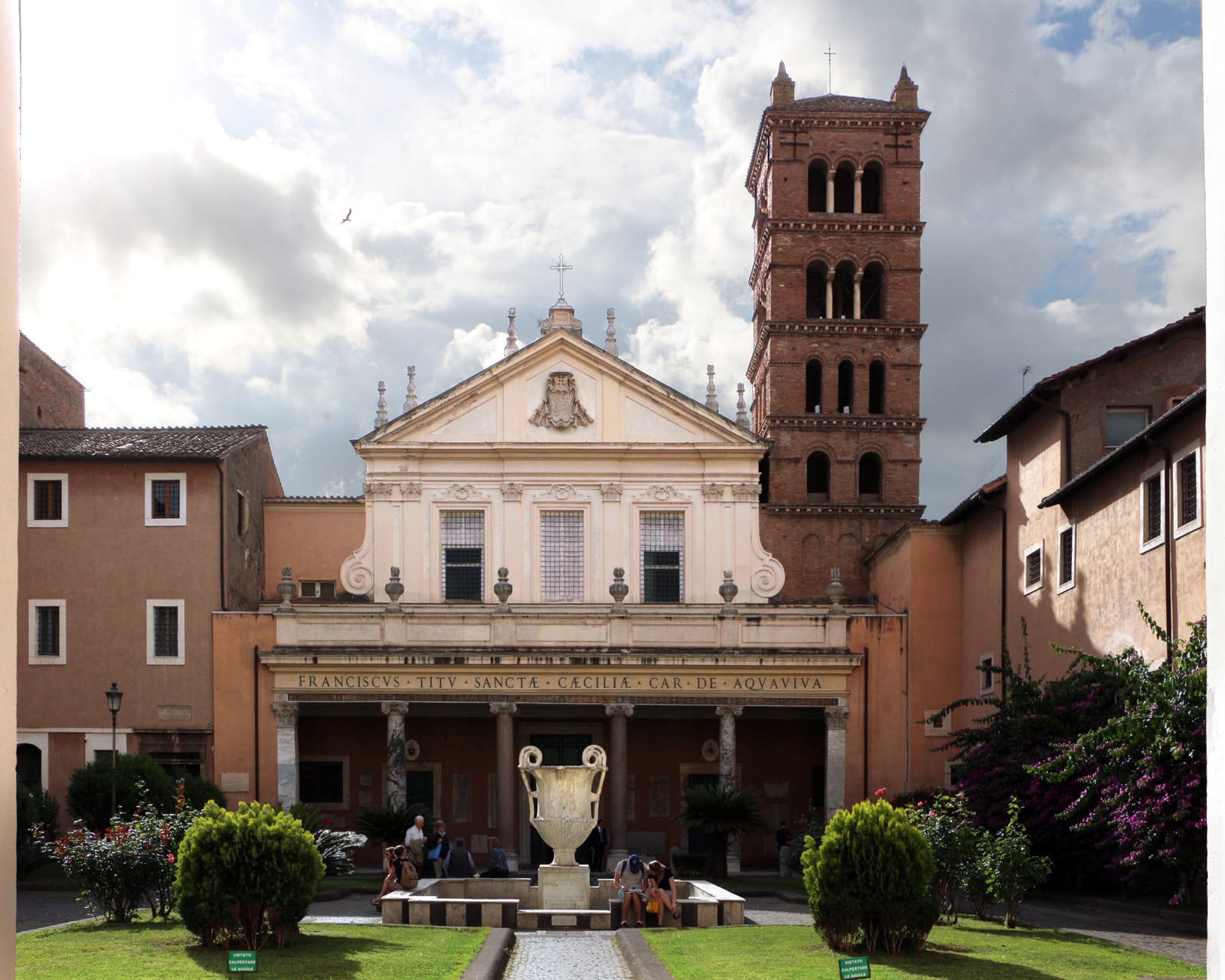
A calmer Trastevere anchor with mosaics and older atmosphere.
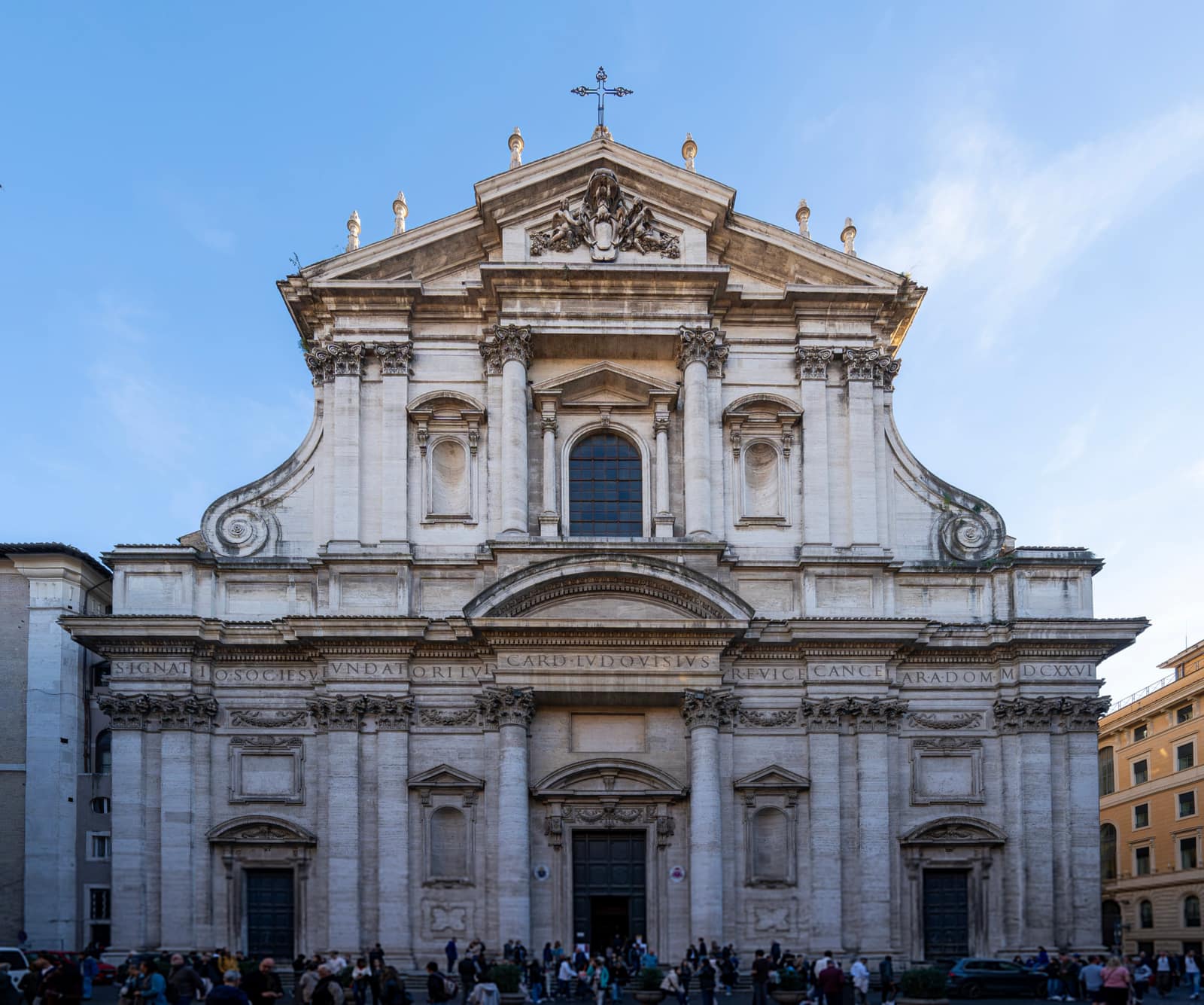
A vivid central Baroque church known for its illusionistic ceiling.
Church archive
Showing 4 of 52 churches
Rome's most important basilica for most visitors, but strongest when treated as a planned sequence: Michelangelo's Pieta, the nave, Bernini's baldachin over the papal altar, the crossing, and the apse with the Chair of St Peter.
One of Rome's essential major basilicas and the clearest way to understand the city's ecclesiastical geography beyond the Vatican, with monumental scale, papal history, and a Lateran location that works best as its own focused stop.
The essential Trastevere anchor, rewarding not just for its fame but for the way mosaics, square, and neighborhood atmosphere reinforce one another.
The strongest Pantheon-side church for visitors who want substance as well as convenience: Gothic bones, Dominican history, Michelangelo's Risen Christ, Filippino Lippi's Carafa Chapel, major tombs, and Bernini's elephant outside.
The clearest single church in Rome for seeing the city in layers: a 12th-century basilica above a 4th-century church, above Roman buildings and a Mithraeum, all close enough to the Colosseum to transform an ancient-Rome day.
An art-rich church at the northern gateway to the center, strong for travelers interested in chapels, patronage, and the way art changes the feel of an urban threshold.
A Trastevere church that offers quieter sacred atmosphere than the district's main square, especially useful once you want the neighborhood to feel deeper than its postcard image.
A vivid central Baroque church whose illusionistic interior makes it one of the most memorable short art-and-architecture stops near the Pantheon side of Rome.
A Vatican-side church that works especially well as a calmer decompression stop before or after the intensity of St Peter's and the surrounding queues.
A substantial riverside basilica at the Via Giulia end of Rome, best for turning the Vatican-to-center walk into a real church route rather than a bridge transfer.
A broad Vatican-side church that works well as a calmer interior near St Peter's, especially when you want the district to feel like more than one queue-heavy destination.
A broad under-visited basilica in Trastevere that gives the neighborhood a more serious church presence beyond its most famous piazza stop. It works best for visitors who want trastevere church walks while keeping the surrounding walk coherent.
A Janiculum church with Renaissance architecture value, Sebastiano del Piombo paintings, and access to Bramante's Tempietto in the friary cloister. It works best for visitors who want janiculum routes while keeping the surrounding walk coherent.
A southern Trastevere church with stronger local texture than many central headline stops, worthwhile for visitors who like focused Baroque interiors and neighborhood context.
A compact but essential church near Piazza Navona, especially for visitors who want one short central stop with very high artistic return.
One of the clearest central churches for understanding Roman Baroque theatricality, Jesuit ambition, and why some interiors in Rome feel built to overwhelm rather than simply decorate.
One of Rome's essential basilicas, especially useful for travelers based near Termini who want a major church that is both historically rich and practical to reach.
A compact but high-impact Quirinale-side church that can turn a short visit into one of the most memorable Baroque stops in central Rome.
A small but architecturally essential church near the Quirinale, especially rewarding for visitors who care about space, proportion, and Roman Baroque experimentation.
A compact Bernini church whose scale makes it especially rewarding for visitors who like architecture that can be understood in one focused stop.
A calm Aventine basilica with early-Christian clarity, famous carved wooden doors, and one of Rome's best contrasts to decorative central churches. It works best for visitors who want aventine routes while keeping the surrounding walk coherent.
A church that gives the Capitoline a sacred counterweight to the surrounding civic and ancient-Rome landmarks, especially useful when the area risks becoming all archaeology and viewpoint.
A Celio basilica with Romanesque exterior strength, a high bell tower, Cosmatesque portal, and access nearby to one of Rome's best preserved ancient residential complexes.
A large Baroque church on the Campo de' Fiori and Corso Vittorio axis that gives this part of Rome one of its strongest interior set pieces.
A Tiber Island church that gives river-crossing routes a real sacred stop instead of leaving the island as a simple bridge between neighborhoods.
The church that gives Piazza Navona a real ecclesiastical anchor, useful for visitors who want the square to feel like more than a scenic pause.
A Trevi-side Marian church whose well miracle and Madonna del Pozzo make it more memorable than its small central scale first suggests.
A larger Baroque church that gives the Campo de' Fiori and Chiesa Nuova side of Rome one of its best interior anchors.
A large central basilica that gives the Trevi, Via del Corso, and Piazza Venezia side of Rome a more substantial sacred anchor than many visitors expect.
A compact early-Christian church near Santa Maria Maggiore, best for visitors who want one of Rome's most rewarding older mosaic stops without the major-basilica crowds.
A southern Trastevere church that rewards slower neighborhood walking and helps the district feel broader, calmer, and more local than its best-known square.
A compact Piazza del Popolo church that helps the northern entry into the center feel architecturally deliberate rather than simply scenic. It works best for visitors who want piazza del popolo planning while keeping the surrounding walk coherent.
A Piazza del Popolo church that helps the northern gateway into central Rome feel architecturally complete and more useful for church-focused walking routes.
A Via del Corso church remembered for its miraculous crucifix, plague-procession memory, and the way it gives the central shopping spine real devotional weight.
A central church that gives the Barberini side of Rome a more memorable stop than the surrounding traffic might suggest, especially for visitors building a shorter Quirinale route.
A memorable circular church near Termini and Repubblica, useful for visitors who want a compact architectural stop with a very different spatial feel from the surrounding basilicas.
A quiet Janiculum church with a 15th-century cloister, Tasso associations, and enough hilltop atmosphere to justify the climb on a west-Rome route.
An older church on Via Nazionale that gives one of Rome's busiest modern corridors a much deeper historical frame and a more meaningful pause.
A strong Baroque church near the Capitoline and Campo de' Fiori side of the center, rewarding for visitors who want a larger interior outside the most overfamiliar church stops.
A broad church at the Palatine and Circus Maximus edge, useful for visitors who want the ancient-Rome side of the city to include a serious sacred stop as well as archaeological sites.
A large Baroque church near Largo Argentina that gives central-west Rome a more substantial interior than many visitors expect from this part of the walk.
A tiny Tiber-side church with medieval atmosphere, a compact Cosmatesque-floor visit, and strong a useful pause between Tiber Island and Trastevere. It works best for visitors who want quiet route planning while keeping the surrounding walk coherent.
A compact west-Trastevere parish church with a concave 18th-century facade, useful for making a neighborhood walk feel quieter and more complete. It works best for visitors who want quiet trastevere stops while keeping the surrounding walk coherent.
A Borromini church that rewards architecture-focused visitors with one of the clearest small-form masterpieces in central Rome. It works best for visitors who want architecture-focused visitors while keeping the surrounding walk coherent.
A compact central church that works best as a connector stop between Piazza Navona, the Pantheon side, and the west-central historic core.
A distinctive central church whose lighter late-Baroque and Rococo character makes it a rewarding contrast stop near the Pantheon side of Rome.
A small national church near Piazza Navona that adds texture and community history to a route otherwise dominated by bigger central stops.
A contemplative Celio church that gives the south-Rome and Colosseum side of the city a more monastic, reflective tone. It works best for visitors who want quiet churches near the colosseum while keeping the surrounding walk coherent.
A layered Monti and Esquilino-side church that helps connect Santa Maria Maggiore, older basilica routes, and the quieter side of the district.
A compact church near Termini and Esquilino that gives the station-side district a more deliberate sacred stop with a clear route role.
A quieter Esquilino church that helps the Termini side of Rome feel more layered, especially for travelers looking beyond the biggest basilicas.
A later church near Via Veneto and upper Termini that helps represent a more modern layer of Rome's religious landscape in a very practical visitor zone.
No churches match that combination yet. Try clearing one filter and exploring another route through the city.
Check before you go. Many churches close briefly between lunch and services.
Many churches are still active places of prayer, so quieter moments usually work best.
Some churches allow photos, while others ask you to skip them or avoid flash.