
Trastevere
Sant'Onofrio al Gianicolo
Last updated: June 2026
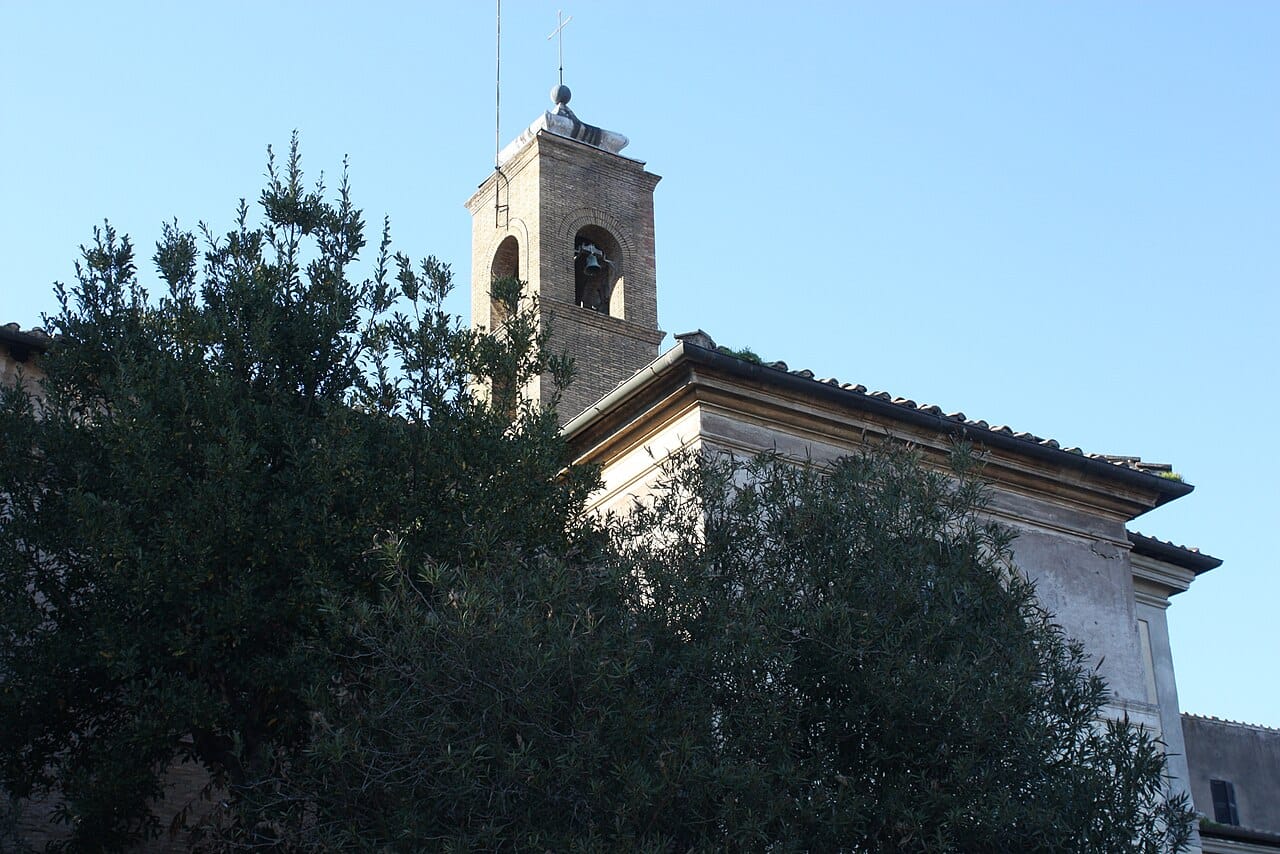
Photo by Dguendel via Wikimedia Commons, licensed CC BY 3.0.
Sant'Onofrio al Gianicolo is the church that makes a Janiculum climb feel purposeful rather than merely scenic. Come for the cloister calm, the Torquato Tasso connection, the older hilltop setting, and a stop that changes the pace of west Rome instead of trying to compete with its busiest landmarks.
Quick summary
- Best visit length
- 20-30 minutes quick, 45-60 minutes with the hilltop approach and museum context
- Do not miss
- Cloister atmosphere, Tasso connection, Janiculum setting
- Best route use
- Best late in the day on a Janiculum or west-Rome walk
- Best next move
- San Pietro in Montorio for a stronger architecture stop, or Trastevere if the day should descend into the neighborhood
Plan your visit
Approach Sant'Onofrio when you are ready for the day to become quieter.
Why this church matters
Sant'Onofrio al Gianicolo matters because it turns a scenic part of Rome into a real sacred destination. Begun in the fifteenth century on an earlier hermitage and dedicated to the Desert Father St Onuphrius, it carries a stronger spiritual identity than a casual Janiculum stop suggests.
Its cultural weight comes from Torquato Tasso, who spent his final days here and died on the site in 1595. The attached Museo del Tasso makes that connection unusually tangible, so the church becomes both a religious and literary memory point above the city.
What to look for
The cloister
This is often the moment the visit settles. The quiet of the cloister changes the church from an uphill objective into a place where visitors actually want to stay.
The Tasso connection
Many Rome churches mention famous names, but here the link feels direct. Tasso's final days, memorial presence, and museum material give the church a human story that stays with visitors.
The Janiculum setting
The location is not just scenic background. It explains why the visit feels removed from central pressure and why the stop works best later in the day.
The older foundation
The church's layered appearance matters less as a style lesson than as part of its intimacy. It feels older and more personal than many west-side churches of greater fame.
Why visit
Choose Sant'Onofrio al Gianicolo when you want a church that changes the emotional temperature of the day. It is not the place for maximum church count, but it is a strong choice if you want one stop on the Janiculum to feel memorable for more than its view.
How long to spend
Common mistake: treating the church as a side effect of the viewpoint. The hill is the approach; the church is the reason the climb becomes memorable.
Build your day
Start here for a route that matches the day you actually want. Choose the onward line that fits your direction and attention level.
Best next moves
Nearby & Related Churches
Use these next stops to keep the route coherent on the ground rather than doubling back across Rome for one isolated interior.