
Trastevere
San Bartolomeo all'Isola
Last updated: June 2026
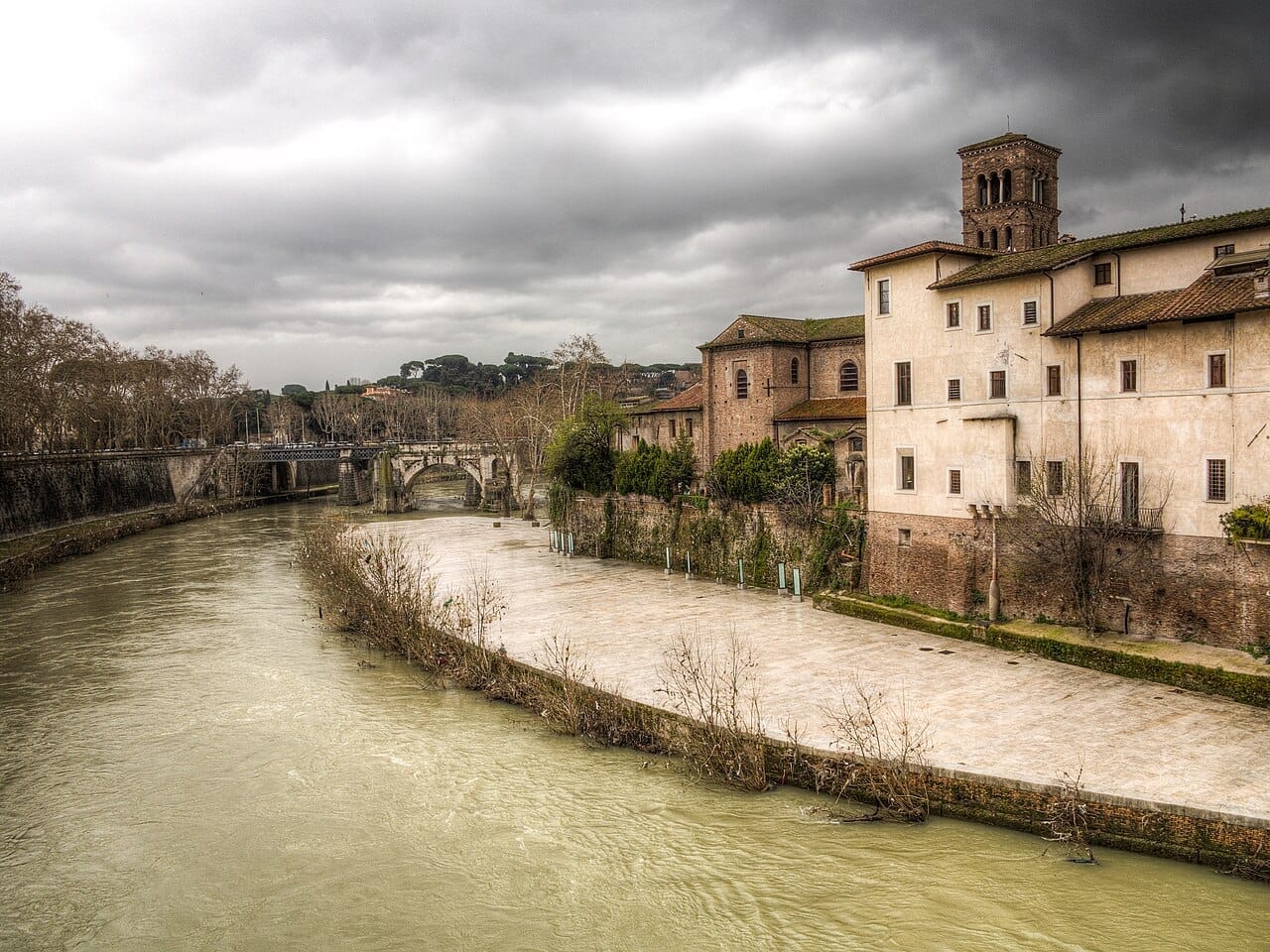
Photo by Joadl via Wikimedia Commons, licensed CC BY-SA 3.0 AT.
San Bartolomeo all'Isola is the stop that makes Tiber Island feel like more than a bridge crossing.
Quick summary
- Best visit length
- Best as a shorter island stop of around 10-20 minutes within a wider center-to-Trastevere walk. / Allow 25-35 minutes if you want Tiber Island to feel like a real pause before continuing toward Trastevere.
- Do not miss
- Tiber Island setting, Saint Bartholomew relic tradition, Memorial to the new martyrs
- Best route use
- Ghetto, Tiber Island, and Trastevere connectors
- Best next move
- Santa Maria in Trastevere for the most natural nearby continuation, or Santa Cecilia in Trastevere if the day should bend in a calmer direction
Plan your visit
Treat this as the pause that gives the island meaning, especially if you are crossing between the Ghetto side and Trastevere on foot.
Why this church matters
What people remember later is the island mood: the bridges, the hospital setting, and a church that feels more contemplative than the tourist flow around it.
Walking onto the island and feeling that the church belongs to the bridges and hospital setting around it. The way the stop feels more contemplative than the tourist flow nearby suggests. That is often when the bridge crossing turns into a real stop.
What to look for
Tiber Island setting
The church feels tied to bridges, river crossing, and the island's medical and devotional atmosphere. The setting is part of the church's identity, not background scenery. Visitors often pass through the island without realizing the church is the anchor that makes the crossing memorable.
Saint Bartholomew relic tradition
The apostolic dedication and continuing devotional seriousness. It explains why the basilica matters beyond location. The church can look like a picturesque stop unless the relic tradition is made explicit.
Memorial to the new martyrs
The 20th- and 21st-century witness theme inside a medieval setting. This gives the church a distinctive modern identity in contemporary Catholic memory. Many visitors assume the church is only medieval and miss the modern commemorative mission.
Why visit
Choose it when you want the walk across the river to feel deliberate rather than incidental.
How long to spend
crossing the island quickly and never letting the church turn the route into a real stop.
Build your day
Start here for a route that matches the day you actually want. Choose the onward line that fits your direction and attention level.
Best next moves
Nearby & Related Churches
Use these next stops to keep the route coherent on the ground rather than doubling back across Rome for one isolated interior.