
Trastevere
San Pietro in Montorio
Last updated: June 2026
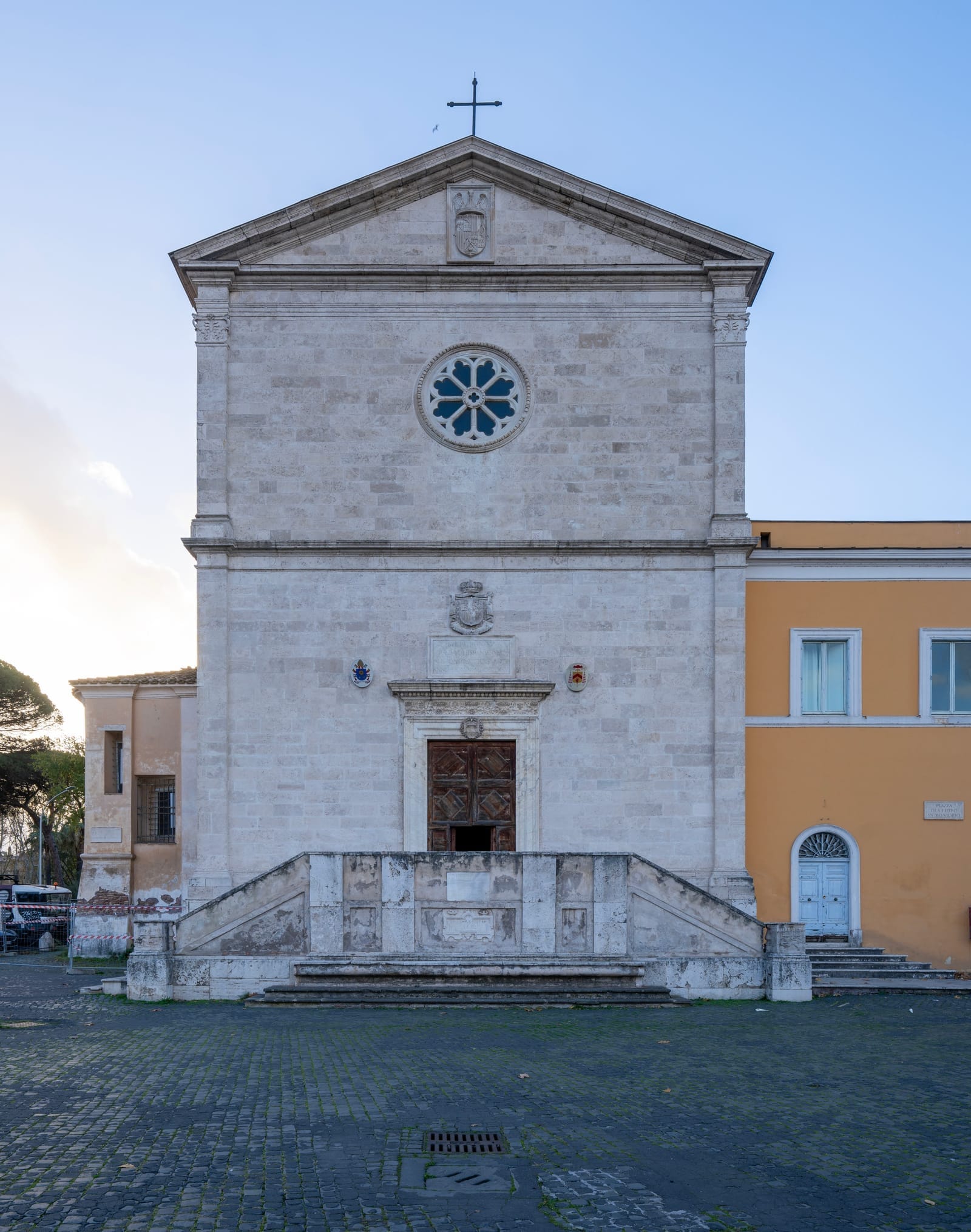
Photo by Krzysztof Golik via Wikimedia Commons, licensed CC BY-SA 4.0.
San Pietro in Montorio is less about ticking off another church and more about making the Janiculum climb pay off.
Quick summary
- Best visit length
- 20–30 minutes for the church and route context. / 45–60 minutes if including the Tempietto and a slower Janiculum pause.
- Do not miss
- Bramante's Tempietto, Tradition of Peter's crucifixion site, Janiculum setting
- Best route use
- Janiculum, upper Trastevere, and destination half days
- Best next move
- Santa Maria in Trastevere for the most natural nearby continuation, or Santa Cecilia in Trastevere if the day should bend in a calmer direction
Plan your visit
Use it when the day genuinely includes the hill, the Tempietto, and the slower west-side atmosphere that never works as a rushed add-on.
Why this church matters
Most people remember the Tempietto and the hilltop setting together; that pairing is the visit.
The Tempietto, not the nave, as the moment that stays in memory. The hilltop calm after the busier lower city. That is usually when the Janiculum climb starts to feel worth it.
What to look for
Bramante's Tempietto
The perfect, concentrated Renaissance form in the courtyard. It is the main artistic and architectural reason the stop matters. Some visitors expect the church interior to be the whole story and miss that the courtyard structure is the real prize.
Tradition of Peter's crucifixion site
The long Christian memory attached to the Janiculum. This gives the stop its spiritual charge. The tradition needs careful wording so it remains meaningful without becoming overclaimed.
Janiculum setting
The relationship between church, hill, and wider Rome. The place itself is part of the visit.'. Photos can flatten this; in person the setting is one of the reasons to come.
Why visit
Choose it when you want Peter tradition, Renaissance architecture, and a hillside setting in the same stop.
How long to spend
treating it like a normal Trastevere church when the climb and the courtyard are part of the reason to come.
Build your day
Start here for a route that matches the day you actually want. Choose the onward line that fits your direction and attention level.
Best next moves
Nearby & Related Churches
Use these next stops to keep the route coherent on the ground rather than doubling back across Rome for one isolated interior.