
Trastevere
Santa Maria del Orto
Last updated: June 2026
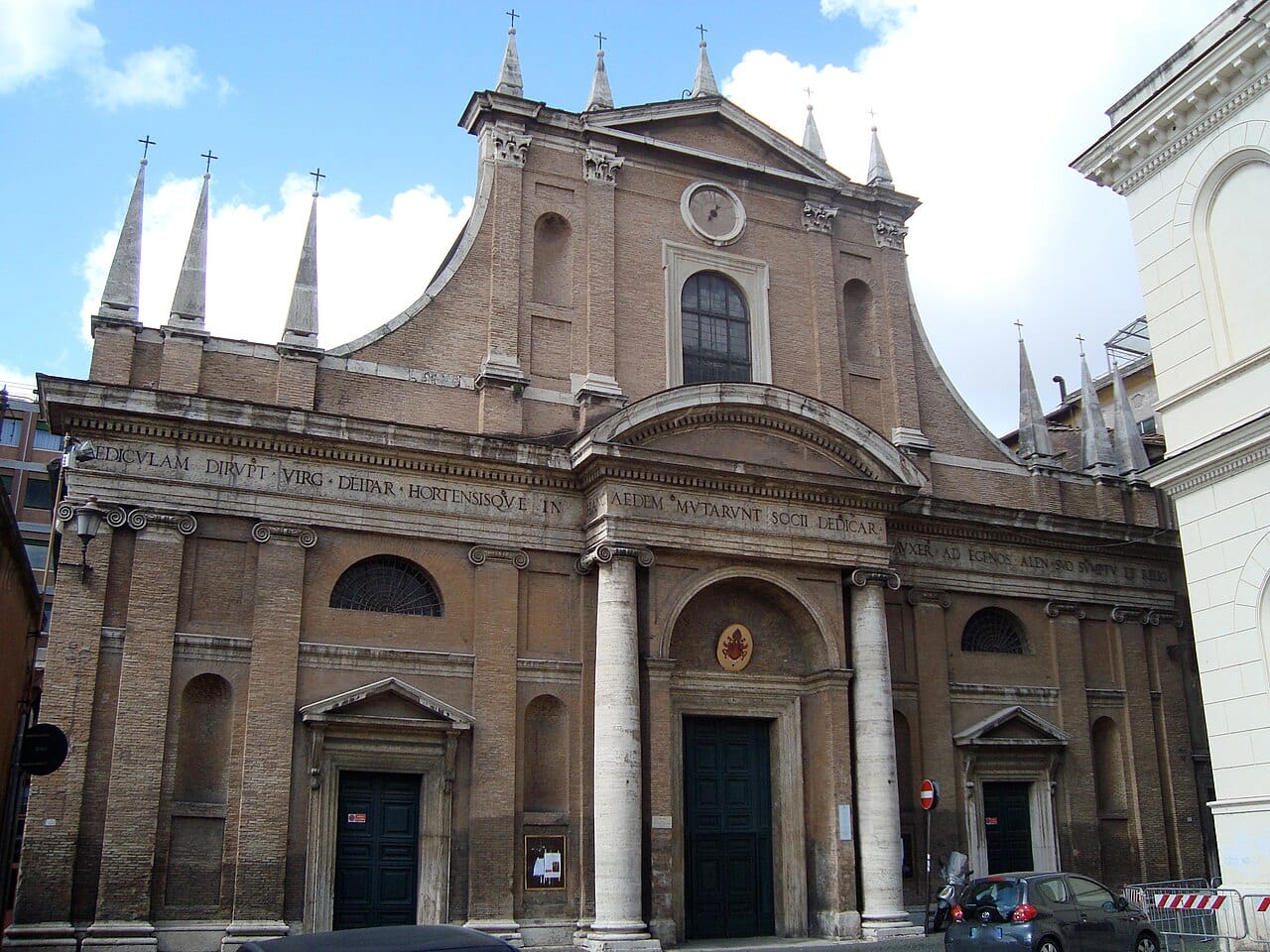
Photo by LPLT via Wikimedia Commons, licensed CC BY-SA 4.0.
Santa Maria del Orto is the church that reveals Trastevere as a working river district as well as a beautiful one. Come for Marian devotion, guild identity, and a stop that gives southern Trastevere a real sacred anchor.
Quick summary
- Best visit length
- 15-20 minutes quick, 30-40 minutes if southern Trastevere is a real part of the day
- Do not miss
- Guild symbols, Marian image, Vignola facade, Zuccari frescoes
- Best route use
- Best when the Trastevere walk moves south and needs one church with stronger identity than atmosphere alone
- Best next move
- Santa Cecilia in Trastevere for a stronger devotional destination, or San Francesco a Ripa if the southern route should stay coherent
Plan your visit
Use Santa Maria del Orto when you want Trastevere to feel like a working district shaped by trade, devotion, and confraternity life.
Why this church matters
Santa Maria del Orto matters because it gives Trastevere a different sacred identity from the basilica-and-piazza version most visitors know first. Its name comes from the old gardens on the site and from an image of the Virgin associated, according to tradition, with miraculous events.
The church's own history is deeply tied to the Arciconfraternity of Santa Maria dell'Orto, established in 1492, and to the guilds whose symbols still appear in the decoration.
What to look for
Guild symbols and confraternity traces
This is often the moment the church becomes distinctive. The signs of fruit, vegetables, and trades help visitors picture the people who built and supported it.
The Marian image and main altar
The main altar by Giacomo della Porta preserves the venerated image of the Madonna and Child.
The Zuccari frescoes and Baroque oratory
If you have time to look more closely, the apse frescoes by Taddeo and Federico Zuccari and the small Baroque oratory lift it above a simple neighborhood pause.
Why visit
Choose Santa Maria del Orto when you want southern Trastevere to have a proper destination rather than just a drift into quieter streets.
How long to spend
Common mistake: treating this as a generic quiet stop. It is more memorable when you understand that the church belongs to working, devotional Trastevere rather than to postcard Trastevere.
Build your day
Start here for a route that matches the day you actually want. Choose the onward line that fits your direction and attention level.
Best next moves
Nearby & Related Churches
Use these next stops to keep the route coherent on the ground rather than doubling back across Rome for one isolated interior.