
Trastevere
San Benedetto in Piscinula
Last updated: June 2026
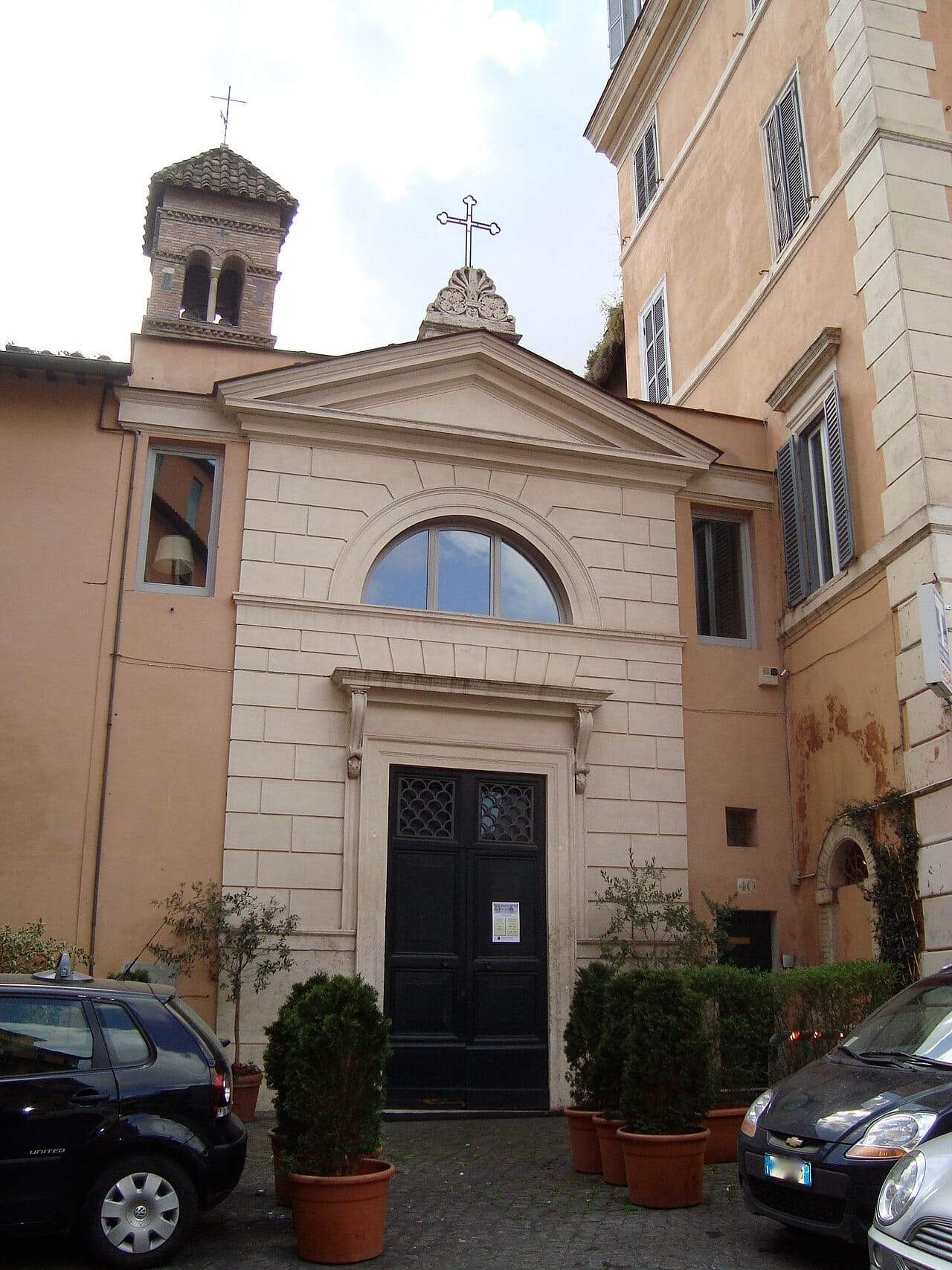
Photo by LPLT via Wikimedia Commons, licensed CC BY-SA 4.0.
San Benedetto in Piscinula is the stop that makes the walk from the historic center into Trastevere feel medieval rather than merely practical. Come for the tiny scale, the Cosmatesque floor, the Benedict tradition tied to the site, and a church that turns a busy river crossing into a real pause.
Quick summary
- Best visit length
- 10-15 minutes quick, 20-30 minutes if you want the crossing to become part of the visit
- Do not miss
- Cosmatesque floor, tiny Romanesque bell tower, medieval vestibule
- Best route use
- Best between Tiber Island and Trastevere when the walk needs one small but memorable hinge
- Best next move
- San Bartolomeo all'Isola if you are still on the island side, or Santa Maria in Trastevere if the route is opening into the district
Plan your visit
Use San Benedetto in Piscinula when you want the river crossing to feel deliberate. It works best after San Bartolomeo all'Isola or before a deeper Trastevere sequence.
Why this church matters
San Benedetto in Piscinula matters because it preserves a kind of Rome that larger churches often flatten out. The first documentary reference comes from the late twelfth century, but the fabric suggests an older building, and the whole stop feels like a remnant of a tighter, denser medieval city.
Its identity is strengthened by the tradition that the young Benedict stayed here before leaving for Subiaco and eventually Montecassino.
What to look for
Cosmatesque floor
This is the detail that usually justifies the stop. In such a small church, the porphyry and serpentine floor reads clearly and immediately.
The bell tower and bell
Turismo Roma describes the Romanesque bell tower as the smallest in the city and says it preserves Rome's oldest bell, dated 1069.
The vestibule and oratory
The medieval door, Cipollino columns, and Cosmatesque mosaics in the vestibule are easy to miss if you treat the church as only an interior glance.
Why visit
Choose San Benedetto in Piscinula when you want one small stop to give shape to the move between districts.
How long to spend
Common mistake: hurrying past because the church looks too small to matter. In practice, the smallness is exactly what makes it memorable.
Build your day
Start here for a route that matches the day you actually want. Choose the onward line that fits your direction and attention level.
Best next moves
Nearby & Related Churches
Use these next stops to keep the route coherent on the ground rather than doubling back across Rome for one isolated interior.