
Quick summary
- Best for
- Hotel-base planning, arrival-day church choices, and practical east-center starts
- Time needed
- 30-45 minutes for Santa Maria Maggiore alone; 60-90 minutes with Santa Pudenziana
- Core churches
- 2
- Optional additions
- 3
- Walking distance
- Short core route near Termini, with optional widening only if the day already points west or south-east
This map follows the core route only. Keep the written guide for optional extensions and stop-by-stop judgment.
Before you start
Best for station-side stays, arrival days, departure days, and first serious church stops that need to work without crossing Rome.
Route summary
Choose this guide when you want the clearest church answer from a Termini base. Start with Santa Maria Maggiore as the anchor, add Santa Pudenziana if you want the best nearby second stop, then only widen the route toward Repubblica, Barberini, or the Lateran side if that already matches where the day is going next.
Why choose this route
Termini creates a familiar Rome problem. People know they are close to somewhere important, but they do not always know whether that importance belongs to the station side itself or only to somewhere farther away. A weak guide answers by listing every plausible church nearby. A better guide answers by deciding what the area is actually good for.
- Santa Maria Maggiore is the church that makes the Termini side worthwhile rather than merely convenient.
- Santa Pudenziana is the strongest local second stop because it deepens the same area without forcing a larger district walk.
- Westward or Lateran continuations should stay directional and optional rather than pretending to be one compulsory chain.
How to use this guide
Treat this as a route that succeeds early.
- If you want one serious church near Termini, stop at Santa Maria Maggiore and let that be enough.
- If you want the strongest local second step, add Santa Pudenziana immediately before or after it.
- If you still have energy and the day already points west, use the Repubblica or Barberini side as an optional continuation.
- If the day is widening south-east into a much larger church plan, use St John Lateran as a deliberate extension rather than part of the core route.
Best 30-90 minute versions
Santa Maria Maggiore only is already a worthwhile success case. The stronger local version is Santa Maria Maggiore -> Santa Pudenziana, which keeps the walk close to Termini while adding a quieter and older-feeling second stop.
- Shortest worthwhile version: Santa Maria Maggiore only.
- Best complete local version: Santa Maria Maggiore -> Santa Pudenziana.
- Only add a continuation if the next direction is already shaping the rest of the day.
How long to spend
Use these timings to keep the route practical rather than swollen.
- Santa Maria Maggiore: 25-40 minutes.
- Santa Pudenziana: 15-25 minutes.
- Maggiore alone: about 30-45 minutes.
- Maggiore plus Pudenziana: about 60-90 minutes.
- With one optional continuation: usually 90-120 minutes depending on direction.
What to do next
The core route ends cleanly after Santa Maria Maggiore or Santa Maria Maggiore plus Santa Pudenziana. Add a different direction only if the day truly wants it.
- Use Churches in Monti, Rome next when the station-side anchor has done its job and the day now belongs to the local neighbourhood route.
- Use Quiet churches near the Colosseum when you want one calmer ancient-Rome continuation rather than a wider Termini shortlist.
- Use Rome's major basilicas only when the next decision is no longer practical location but which major church deserves the next block of time.
- Stop here if the station-side question has been answered. This route is successful as soon as it gives Termini one serious church answer.
Core route and optional additions
Stop 1
Major anchor
Santa Maria Maggiore
One of Rome's essential basilicas, especially useful for travelers based near Termini who want a major church that is both historically rich and practical to reach.
Start here because this is the stop that proves the Termini side can support a serious church decision. It is close enough to the station to be practical, large enough to justify the effort, and important enough that the route does not need to apologise for beginning here.
Stop 2
Best second stop
Santa Pudenziana
A compact early-Christian church near Santa Maria Maggiore, best for visitors who want one of Rome's most rewarding older mosaic stops without the major-basilica crowds.
Continue here when you want the route to feel deeper rather than merely larger. Santa Pudenziana is the best second stop because it changes the scale, the mood, and the type of attention the area asks for without pulling you into a different district logic.
Stop 3
Optional Repubblica turn
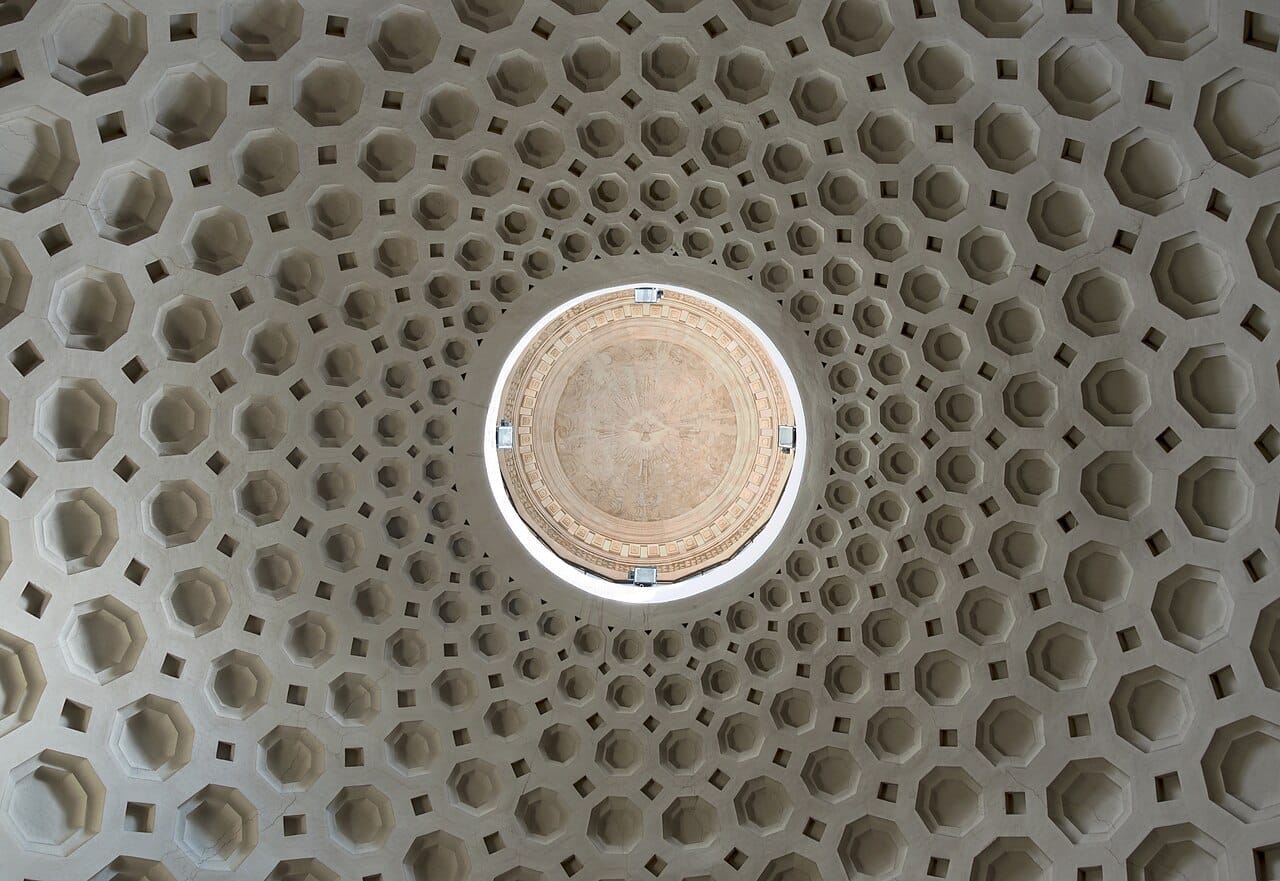
San Bernardo alle Terme
A memorable circular church near Termini and Repubblica, useful for visitors who want a compact architectural stop with a very different spatial feel from the surrounding basilicas.
Choose this only when the day is already bending toward Repubblica or Quirinale and you want one more stop before the route leaves the station-side logic behind.
Stop 4
Optional Barberini turn
Santa Maria della Concezione dei Cappuccini
A central church that gives the Barberini side of Rome a more memorable stop than the surrounding traffic might suggest, especially for visitors building a shorter Quirinale route.
Choose this only when the route is truly becoming a Barberini or Capuchin-side day. It should feel like a direction change, not like the third stop everyone must add.
Stop 5
Optional major continuation
St John Lateran
One of Rome's essential major basilicas and the clearest way to understand the city's ecclesiastical geography beyond the Vatican, with monumental scale, papal history, and a Lateran location that works best as its own focused stop.
Choose this only when the day still wants a much larger south-east continuation. Once Lateran enters, the route stops being a local Termini answer and becomes a wider church plan.
Choose a related route
Use one of these if you want a tighter route or a clearer next step.