
Aventine & South Rome
Santa Anastasia al Palatino
Last updated: June 2026
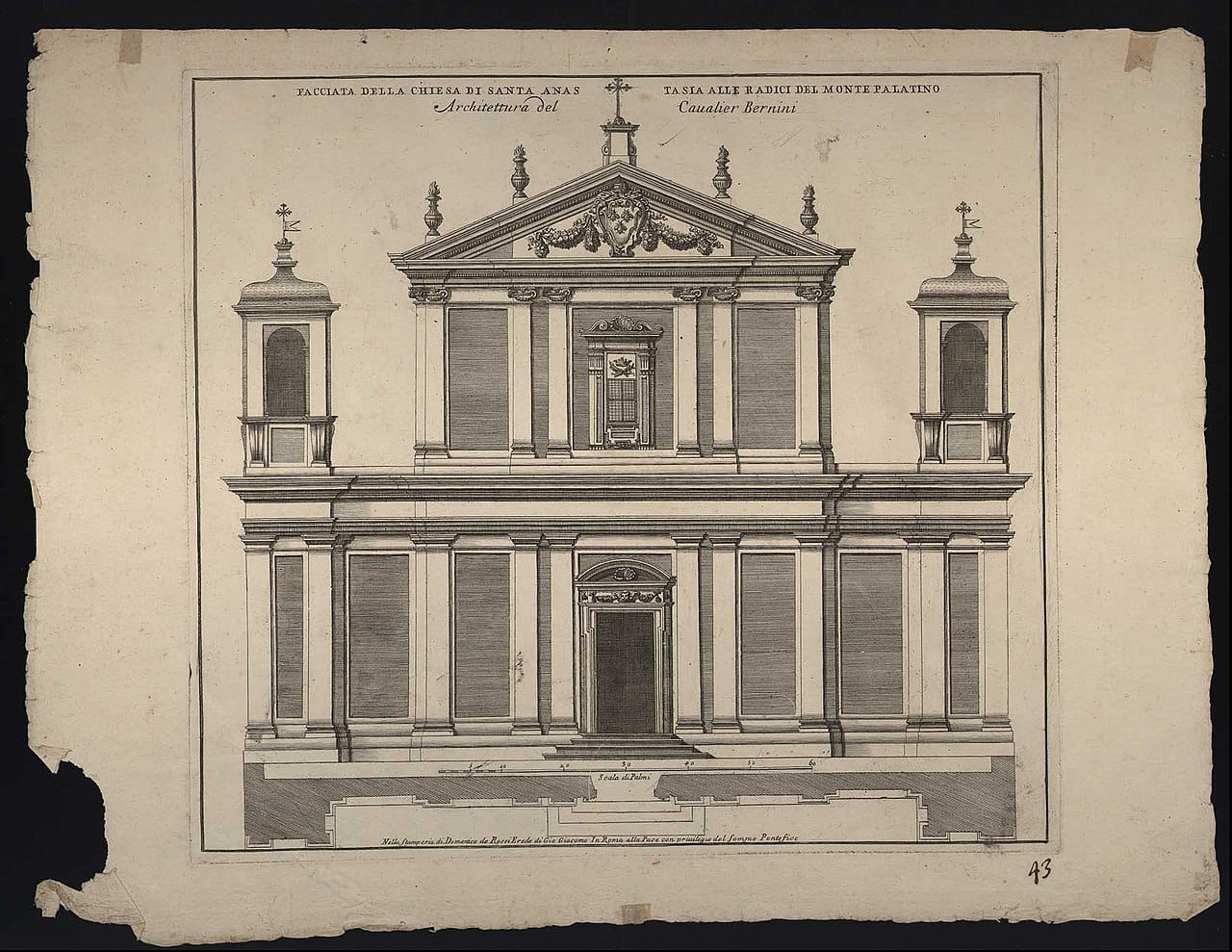
Photo via Wikimedia Commons, licensed CC BY-SA 4.0.
Santa Anastasia al Palatino is the church that keeps a Palatine or Circus Maximus day from staying outdoors for too long.
Quick summary
- Best visit length
- A focused visit of around 15-25 minutes works well before continuing toward the Palatine or Aventine. / 30-45 minutes if you read the route notes, compare features, and slow down inside.
- Do not miss
- Position by Circus Maximus and Palatine, Large basilica interior, Old titular continuity and reused ancient material
- Best route use
- Circus Maximus, Palatine edge, and south-Rome walks
- Best next move
- Santa Sabina for the most natural nearby continuation, or Basilica dei Santi Giovanni e Paolo if the day should bend in a calmer direction
Plan your visit
Use it when the route needs one broad interior that belongs to the ancient landscape around it rather than fighting against it.
Why this church matters
What surprises visitors is how right the church feels in this setting: not decorative, but like a genuine hinge between ruins and sacred topography.
The relief of a broad church interior after outdoor archaeology. The sense that the church belongs to the ancient topography around it. That is often when the ancient route finally picks up a sacred center.
What to look for
Position by Circus Maximus and Palatine
How naturally the basilica fits an otherwise ancient-Rome day. It is one of the church's biggest practical arguments. Visitors often treat it as roadside scenery instead of a route-shaping stop.
Large basilica interior
The breadth and weight of the space once inside. It changes the scale of the visit from quick peek to serious pause. The exterior approach does not prepare visitors for the interior volume.
Old titular continuity and reused ancient material
The way Christian Rome absorbed and re-used the ancient city around it. These deepen the church beyond simple route convenience. Without framing, the deeper historical continuity can remain invisible.
Why visit
Choose it when you want the south side to turn from archaeology toward Christian space without losing geographical logic.
How long to spend
assuming the area is only for ruins, viewpoints, and pass-through walking.
Build your day
Start here for a route that matches the day you actually want. Choose the onward line that fits your direction and attention level.
Best next moves
Nearby & Related Churches
Use these next stops to keep the route coherent on the ground rather than doubling back across Rome for one isolated interior.