
Aventine & South Rome
San Gregorio al Celio
Last updated: June 2026
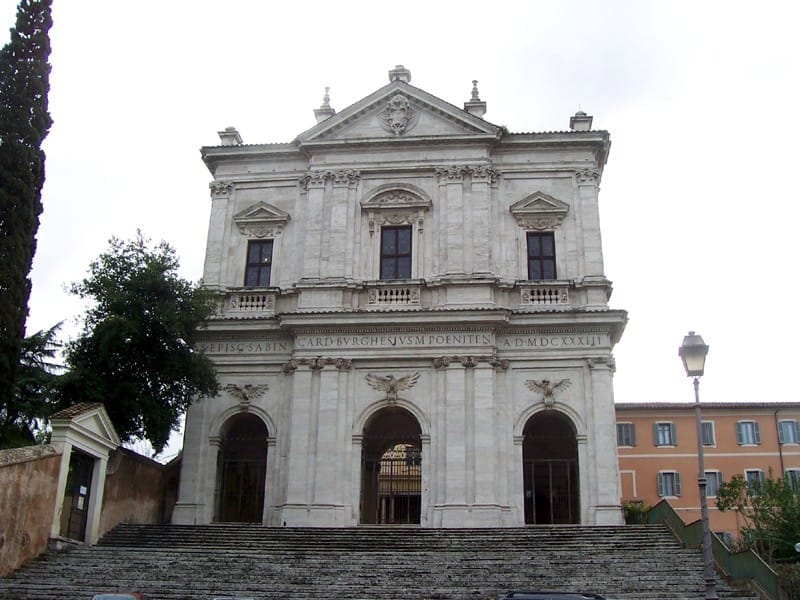
Photo by MarkusMark via Wikimedia Commons, public domain.
San Gregorio al Celio is where a Colosseum day starts to feel like Christian Rome instead of remaining only ancient Rome.
Quick summary
- Best visit length
- Allow 20-30 minutes if you want the church and Celio atmosphere to feel like a proper pause. / 30-45 minutes if you read the route notes, compare features, and slow down inside.
- Do not miss
- Gregory the Great association, Oratories of Saint Andrew, Saint Silvia, and Saint Barbara, Missionary history
- Best route use
- Colosseum to Lateran and Caelian Hill half days
- Best next move
- Basilica dei Santi Giovanni e Paolo for the most natural nearby continuation, or Santa Sabina if the day should bend in a calmer direction
Plan your visit
Use it when you want the route to quieten after the Colosseum side and move into Gregory the Great, the oratories, and the calmer slope of the Celio.
Why this church matters
Visitors often remember the hush here more than any one object: the feeling that the route has crossed from spectacle into monastic memory.
The quieter, more withdrawn feel after the Colosseum side crowds. The oratories, which make the stop feel layered and personal. That is often where the day changes character.
What to look for
Gregory the Great association
The personal and institutional memory of one of Rome's most important popes. It is the main reason the site matters. Without guidance, visitors can miss how central Gregory is to the church's identity.
Oratories of Saint Andrew, Saint Silvia, and Saint Barbara
The complex nature of the visit rather than one single interior. They are key to why the stop feels memorable. Some visitors see only the main church and miss the finer-grained experience.
Missionary history
The sense of a place from which Christian mission moved outward. It gives the church significance beyond Rome itself. This importance is not obvious from the building alone.
Why visit
Choose it when you want the south side to feel reflective, not just historically dense.
How long to spend
treating it as a detour instead of the point where the whole area changes tone.
Build your day
Start here for a route that matches the day you actually want. Choose the onward line that fits your direction and attention level.
Best next moves
Nearby & Related Churches
Use these next stops to keep the route coherent on the ground rather than doubling back across Rome for one isolated interior.